Powering Early Detection

Fusion of Clinical, Genomic, and Imaging Data Using Deep Learning for Early Disease Detection

An advanced research platform integrating clinical, genomic, and imaging data to enable accurate early disease detection through intelligent systems, supporting healthcare professionals and improving patient outcomes globally.

AI-Powered Multi-Modal Healthcare for Early Disease Detection

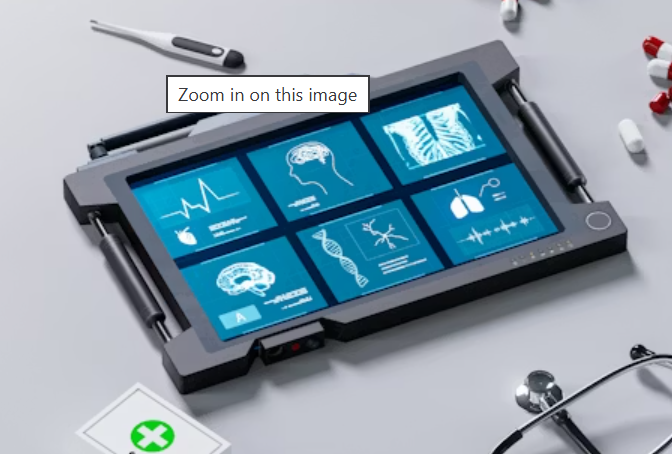
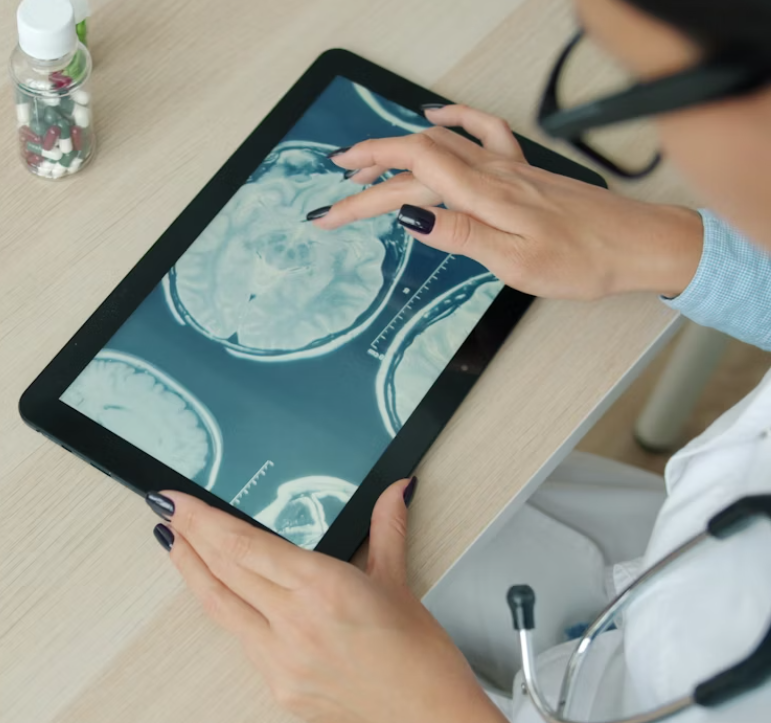
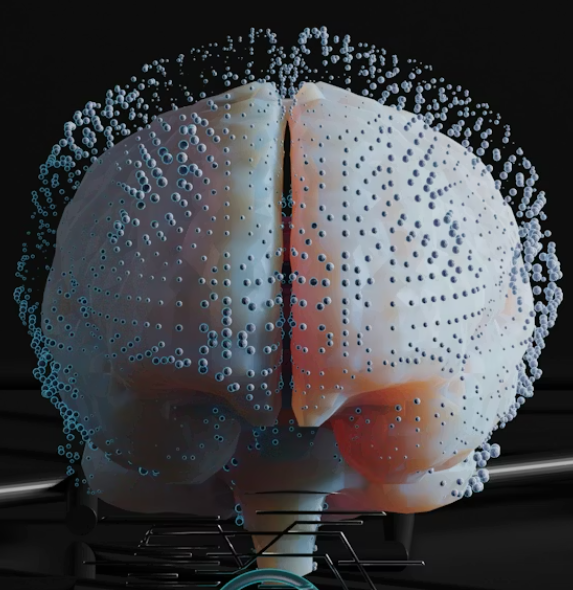
Early and accurate disease detection remains a critical challenge in modern healthcare, directly impacting survival rates, treatment effectiveness, and costs. Traditional diagnostic methods relying on isolated clinical, imaging, or genomic data often fail to capture early-stage disease complexity. This research proposes a multi-modal deep learning framework integrating clinical, genomic, and imaging data for precise early detection. Using architectures like CNNs, RNNs, and autoencoders, the system extracts and fuses complex features into a unified predictive model. Advanced preprocessing ensures robustness against noisy and high-dimensional data. Explainable AI techniques such as SHAP and Grad-CAM enhance transparency. The model aims to improve diagnostic accuracy, support personalized treatment, and advance precision medicine through scalable and clinically applicable AI solutions.

Research Proposal

Core Functional Capabilities of the Multi-Modal Healthcare System

A structured overview of system functionalities from data acquisition to intelligent decision support

Frontend Functional Modules
Data Collection
  • Multi-source patient data input
  • Clinical, Genomic, Imaging data support
  • Doctor verification & metadata capture
  • Layer-based data activation
Symptom Analysis
  • Input minimal patient symptoms
  • Preliminary disease prediction
  • Suggested diagnostic tests
  • Early-stage screening support
Predictive Validation
  • Validate suspected diseases
  • Symptom-disease matching
  • Test recommendation logic
  • Decision support for doctors
Backend Intelligence System
Data Processing Engine
  • Cleaning & normalization
  • Noise & missing data handling
  • Feature extraction pipeline
Multi-Modal Fusion Layer
  • Integrates multiple data types
  • Unified patient representation
  • Layer-by-layer expansion support
AI Model Framework
  • Clinical models (RNN/FCNN)
  • Genomic models (DNN/Autoencoder)
  • Imaging models (CNN)
Model Training & Optimization
  • Joint multi-modal learning
  • Optimization (Adam/RMSprop)
  • Continuous improvement cycle
Validation & Evaluation
  • Cross-validation techniques
  • Performance metrics (F1, AUC)
  • Comparison with baseline models
Explainability & Ethics
  • SHAP, LIME, Grad-CAM
  • Transparent predictions
  • Privacy & compliance handling
Advanced System Capabilities
AI Integration
  • Agentic AI enhancement
  • Global data learning
  • Adaptive intelligence
DevOps & Deployment
  • Scalable infrastructure
  • Continuous integration
  • Real-time system updates
Machine Integration
  • Medical device connectivity
  • Automated data ingestion
  • Real-time diagnostics support
System Design Flowchart

Multi-Modal Healthcare System Design Flow

Data Collection Inputs
Clinical | Genomic | Imaging
Data Preprocessing
Cleaning
Normalization
Missing Data Handling
Feature Extraction
Clinical Features
Genomic Features
Imaging Features
Data Integration (Fusion Layer)
Unified Patient Representation
Model Development
Clinical (RNN/FCNN)
Genomic (DNN/AE)
Imaging (CNN)
Model Fusion & Training
(Joint Learning)
Validation & Evaluation
Accuracy
F1 Score
AUC
Explainability
SHAP
LIME
Grad-CAM
Prediction Output
Disease Risk | Test Suggestion | Guidance

Multi-Modal Deep Learning System Development Timeline for Early Disease Detection (24 Months)

System Accuracy Growth Timeline (Learning Curve Over 24 Months)

Disease Integration Capabilities of the AI Healthcare System

Scalable multi-modal disease detection framework supporting progressive integration across medical domains

Cardiovascular Diseases
  • Heart disease risk prediction
  • Blood pressure & ECG analysis
  • Stroke risk detection
Clinical + Imaging
Cancer Detection
  • Early tumor identification
  • Genomic mutation analysis
  • Radiology-based diagnosis
Genomic + Imaging
Diabetes & Metabolic Disorders
  • Blood glucose trend prediction
  • Lifestyle & clinical data analysis
  • Complication risk assessment
Clinical
Neurological Disorders
  • Alzheimer’s early detection
  • Brain imaging analysis (MRI/CT)
  • Cognitive decline prediction
Imaging + Clinical
Infectious Diseases
  • Disease outbreak prediction
  • Symptom-based screening
  • Lab test integration
Clinical + Genomic
Respiratory Diseases
  • COVID-like illness detection
  • Lung imaging analysis
  • Breathing pattern evaluation
Imaging + Clinical
Genetic Disorders
  • Inherited disease detection
  • DNA sequencing analysis
  • Biomarker identification
Genomic
Multi-Disease Expansion
  • Layer-by-layer disease addition
  • Adaptive learning system
  • Cross-disease pattern discovery
Scalable System
Per-Disease Integration & Accuracy Timeline

Per-Disease Integration & Accuracy Progression

Baseline (24 months) followed by incremental disease onboarding cycles with increasing complexity.
Integration Timeline
Baseline System (Month 1–24)
Single disease → Multi-modal system
Accuracy: 50% → 95%
Production Ready
Disease +1 (25–30)
Transfer learning
82% → 90%
~6 months
Disease +2 (31–39)
Cross-disease learning
80% → 88%
~9 months
Disease +3 (40–51)
Complex fusion optimization
78% → 86%
~12 months
Multi-Disease Scaling (52+)
Continuous expansion
Ongoing
Each new disease increases training complexity and integration time.
Accuracy Curves
Baseline Disease +1 Disease +2 Disease +3
Later stages improve slower due to higher system complexity.

Post-Deployment Integration Roadmap (Hardware & Software)

Expansion phase after 24 months enabling real-time data acquisition from medical devices and external systems

Phase 1: API & Network Foundation (Month 25–30)

Establish secure APIs, IP-based connectivity, and data exchange protocols.

~6 Months
Phase 2: Software Integration (Month 31–36)

Connect hospital systems, EHR platforms, and third-party healthcare software.

~6 Months
Phase 3: Hardware Integration (Month 37–45)

Integrate diagnostic machines (MRI, CT, Lab devices) via network protocols.

~9 Months
Phase 4: Real-Time Data Pipeline (Month 46–54)

Enable automated real-time data ingestion and continuous model updates.

~9 Months
Phase 5: Smart Ecosystem (Month 55+)

Fully connected AI-driven healthcare ecosystem with global data synchronization.

Ongoing
Medical Devices

MRI, CT, X-ray, Lab Machines

Network Layer

IP Connectivity, Secure Data Transfer

Integration Layer

APIs, Middleware, Data Standardization

AI Processing

Real-time Analysis & Prediction

User Systems

Hospitals, Doctors, Organizations

Data Integration Timeline

Multi-Modal Data Integration Timeline

Progressive integration of Clinical, Genomic, and Imaging data with phased implementation strategy

Clinical Data Integration

Data Collection Setup

M1–6

Processing & Cleaning

M6–12

Model Training

M12–18

Full Deployment

M18–24
Genomic Data Integration

Initial Integration

M12–18

Feature Extraction

M18–24

Fusion with Clinical

M24–30
Imaging Data Integration

Initial Setup

M24–30

Model Training (CNN)

M30–36

Full Multi-Modal Fusion

M36–42
Business Opportunities

Scalable Solutions for Healthcare Innovation Platform

BioAIInsights creates a unique ecosystem where organizations can participate in a scalable, AI-driven healthcare platform. Hospitals, diagnostic centers, pharmaceutical firms, and financial institutions can leverage data-driven insights to enhance services, reduce operational costs, and unlock new revenue streams. Through strategic collaboration, partners gain access to advanced analytics, early disease detection capabilities, and long-term growth opportunities, positioning themselves at the forefront of next-generation digital healthcare transformation.

Investment Vision

To build a globally scalable healthcare intelligence system that integrates multi-modal data, enabling early disease detection while creating long-term value for investors through innovation, expansion, and technology-driven healthcare solutions.

Growth Strategy

To expand from single-disease models to multi-disease platforms, integrating diverse data sources and technologies, ensuring sustainable growth, increasing adoption, and generating strong returns for stakeholders and research partners.

Market Expansion

Global healthcare reach and adoption growth

Revenue Model

Multi-channel income through AI healthcare services

Advisor Details

DR. PATHIAH BINTI ABDUL SAMAT

SENIOR LECTURER
Faculty of Computer Science and Information Technology

Educational

B.Sc. in Comp. Sc. (UTM),
M.Sc. (UTM), 
Ph.D (UKM)

Lead researcher
MD IFTAKHARUL ALAM

Computer Science graduate with expertise in software development, data analytics, and AI, complemented by experience as a Server Manager and DevOps Engineer. Skilled in building, deploying, and maintaining scalable systems, with a strong interest in research-driven innovation in machine learning and NLP. Combines technical proficiency with entrepreneurial experience to design efficient, data-driven solutions. Focused on bridging theory and practice to solve complex, real-world problems through intelligent systems.

Co-Operative Researcher

This is a title

Type your paragraph here

Co-Operative Research Team

Building Collaboration for Advanced Research Team

The research team combines lead expertise, supporting researchers, and multidisciplinary professionals including medical, technical, and analytical experts to collaboratively develop, validate, and scale intelligent healthcare solutions effectively.

Dilruba Akter
Microbiologists
Noah Reid
Full Stack Developers
Noah Reid
Full Stack Developers
Noah Reid
Cybersecurity Experts
Noah Reid
Regulatory & Ethics Advisor
Prioty Islam
Financial Expert
Associate Partners
Research Supporters
Research Contractors
Project Sponsors

Driving Innovation Through Strategic Sponsorship

Empowering research advancement through funding, collaboration, and impactful healthcare innovation initiatives.

4.8 / 5

Rated on WIPO

High innovation impact with global benchmarking

4.6 / 5

Rated on WHO

Strong healthcare performance aligned with global standards

Strategic Investors

Unlocking Long-Term Value Through Strategic Investment Opportunities

Strategic investors gain access to scalable healthcare innovation, leveraging AI-driven data systems to generate sustainable returns, expand market reach, and lead advancements in next-generation medical technologies.

Research Benefits

Key Advantages Of Multi Modal Healthcare Research Impact

Discover how advanced data fusion improves diagnosis accuracy, accelerates treatment decisions, enhances patient outcomes, and transforms modern healthcare systems globally.

Early Detection

Detect diseases before symptoms appear early

Multi Modal Data Integration

Combine clinical, genomic, and imaging data to generate deeper insights and improve diagnostic precision across complex healthcare scenarios.

Smart Decisions

Enable faster and accurate clinical decisions

Personalized Care

Tailor treatments based on patient data

Comprehensive Benefits Of AI Driven Healthcare Innovation Platform

Explore a wide range of advantages that enhance efficiency, accuracy, scalability, and innovation in modern AI-powered healthcare ecosystems.

Future Pricing Plan

Flexible Plans For Advanced Healthcare Solutions

Choose a plan tailored to your needs and scale with powerful AI-driven healthcare solutions.
Access advanced tools, insights, and support to enhance diagnostics and improve patient outcomes effectively.

Basic Insight Plan

Essential tools for early exploration

$199

/month

Advanced Fusion Plan

Integrated intelligence for smarter decisions

$499

/month

Enterprise Intelligence Plan

Complete solution for enterprise transformation

$999

/month

Unlock The Future Of Healthcare With Confidence

Transform your organization with cutting-edge AI solutions designed for early detection, smarter decisions, and better outcomes. Start today and lead the future of healthcare innovation.

Quick Help

Find Answers To Common Questions Quickly

Get clear solutions to your queries with detailed explanations.
Save time with quick, reliable answers to important concerns.

It addresses the limitation of single-source diagnostics by integrating clinical, genomic, and imaging data to enable earlier and more accurate disease detection.

Unlike traditional models, this framework uses multi-modal deep learning, capturing hidden relationships across diverse data types for higher predictive accuracy.

The system requires clinical records, genomic data, and medical imaging, sourced from hospitals, research databases, and public datasets with proper approvals.

Data will be anonymized and handled under strict compliance with healthcare regulations (e.g., GDPR/HIPAA standards), ensuring confidentiality and ethical use.

Improved early detection accuracy, identification of new biomarkers, enhanced clinical decision-making, and support for personalized medicine.

The framework is designed to be modular and scalable, allowing integration of new diseases and adaptation to diverse patient populations.

ROI comes from reduced diagnostic costs, improved treatment efficiency, faster decision-making, and potential commercialization of AI-driven healthcare solutions.

By integrating Explainable AI (XAI) methods like SHAP and Grad-CAM, clinicians can understand how predictions are made.

Key challenges include data heterogeneity, integration complexity, regulatory compliance, and the need for large, high-quality datasets.

Organizations can contribute by providing data, funding, technical expertise, or participating in pilot deployments and validation studies.